
Cool Springs Commute Math: How to Choose a Home That Saves You Hours
In Cool Springs, "close enough" can quietly turn into a daily tax on your time. One exit can mean five extra stoplights, a longer line at the ramp, and a school drop-off route that never quite flows. The good news: you can treat a home search like a smart equation—one that adds comfort and subtracts stress. With a few practical inputs, you'll spot the neighborhoods and house features that give you time back every single week.
Start with the real commute, not the ideal one
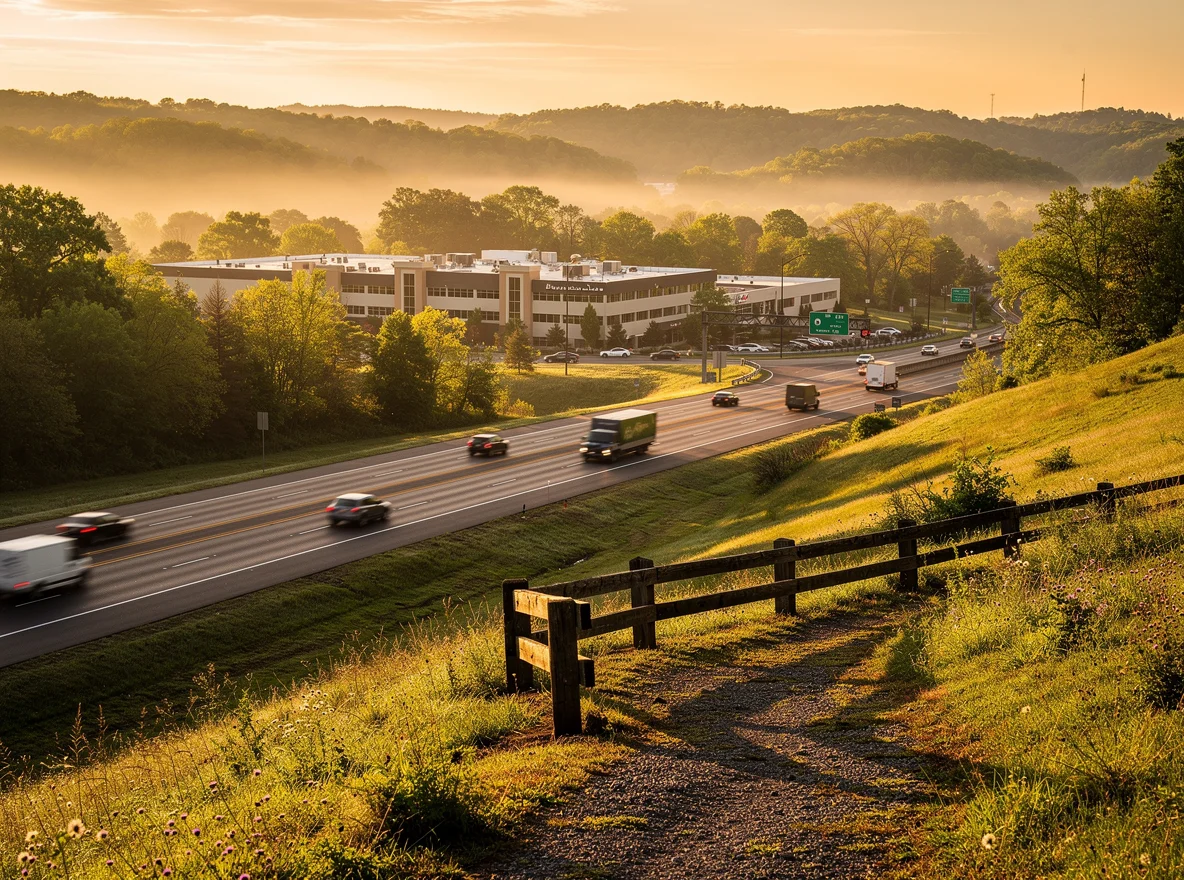
Commute math begins with honesty. Instead of mapping the route at 11:00 a.m., test it at the times you'll actually drive: weekday mornings and late afternoons. In and around Cool Springs, a "15-minute" drive can stretch quickly when I-65 slows, when mall-area traffic stacks up, or when a single crash reroutes everything onto surface streets. Measure two baselines: your best-case day and your normal day. Then decide what you can live with when the normal day becomes the default.
Next, split your commute into components: neighborhood-to-ramp time, ramp-to-exit time, and exit-to-parking time. That last segment often gets ignored, but it matters—especially if your office is near high-volume intersections or you regularly need to cross busy corridors. If you work hybrid, do the same calculation for your most common errands: school pickup, the gym, medical appointments, and a reliable grocery run. A home that's "great for work" but awkward for everything else can still cost you hours.
Finally, build in a reality buffer. If you need to arrive by 8:30, your choice isn't the average drive time—it's the drive time that's dependable. Many buyers choose a home based on a perfect commute and end up leaving 15–25 minutes earlier than they expected just to avoid being late. That's the hidden leak you're trying to plug.
The 5-hour rule: turn minutes into a weekly decision
A quick way to make commute trade-offs feel real is to translate minutes into weeks. Add up your expected round-trip commute time and multiply by your commuting days per week. For example, saving just 15 minutes each way is 30 minutes per day. Over four days, that's two hours. Over a month, it's roughly eight hours—an entire workday returned to you.
If you're choosing between two homes that feel similar, this is where the decision gets clearer. Ask yourself: what would you do with the reclaimed time? Cook more at home, squeeze in a workout, help with homework without rushing, or simply decompress? Cool Springs offers plenty to do, but your ability to enjoy it depends on arriving home with something left in the tank.
Pro tip: also consider "commute friction," not just distance. A slightly longer drive that's mostly highway can feel easier than a shorter route with constant starts and stops. The right home doesn't only reduce minutes—it reduces mental load.
Location is only half the equation—home design matters too
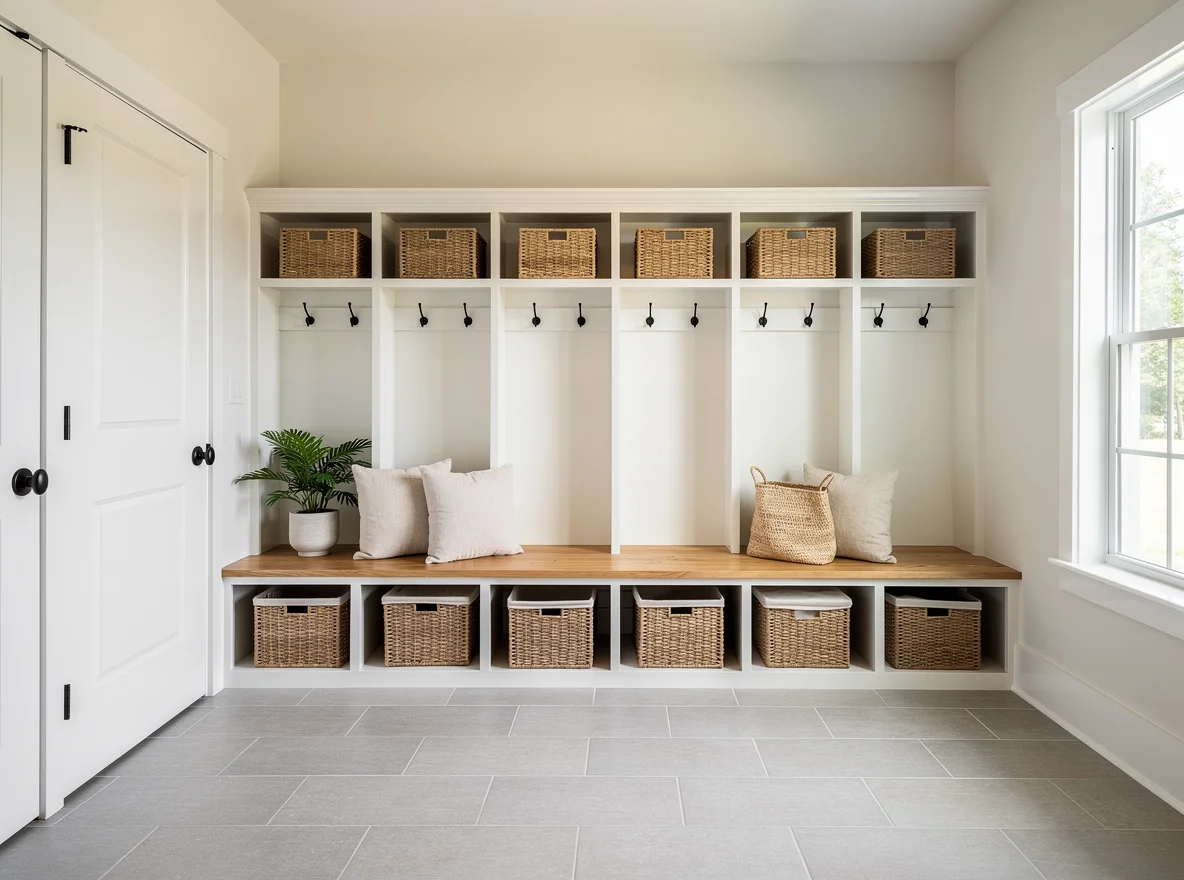
Even if you nail the route, you can still lose time inside the house. The homes that "save hours" often have small functional advantages: an easy garage entry, a drop zone for backpacks and keys, a mudroom or wide hallway, and a kitchen layout that supports quick breakfasts without a traffic jam of your own. These aren't glamorous features, but they reduce morning chaos and shrink the time between waking up and pulling out of the driveway.
Pay attention to bedroom placement and morning flow. If multiple people share a hallway bath, that bottleneck can add daily stress that feels like commuting—even though it's happening at home. Likewise, laundry placement matters: a conveniently located laundry room can turn weeknight routines into 20-minute tasks instead of Sunday marathons.
If you work remotely part-time, treat the home office as commute insurance. A quiet room with a door, stable internet options, and space for a real desk can turn a "stay home" day into a genuinely productive one. In Middle Tennessee, where weather and road conditions can occasionally surprise you, that flexibility can be the difference between losing a day and saving it.
Lifestyle shortcuts: schools, recreation, and the errands you'll actually run
Cool Springs is known for convenience and variety, but convenience is personal. Some buyers optimize for access to major employers and interstates; others care most about school routes, after-school activities, and weekend recreation. When you tour neighborhoods, drive the exact loops you'll do most often: morning drop-off, the afternoon pickup line, and the "we need one thing" evening errand.
For quality of life, proximity to greenways, parks, and fitness options is a legitimate time saver. When recreation is close, it's easier to use it consistently—whether that's a quick walk, a run, or a decompression loop before dinner. Dining is similar: being near your go-to places matters more than being near every option. The goal isn't to live in the middle of everything; it's to live close to the things you'll repeat weekly.
And don't forget the "two-trip problem." If your home is far from your typical activities, you'll be tempted to chain errands into long loops. A well-placed home lets you do a quick out-and-back without turning your evening into a logistical exercise.
Real estate strategy: use negotiation to protect your time and budget
Choosing the right location is a market decision as much as a lifestyle decision. In popular corridors, buyers sometimes compromise on layout, maintenance needs, or HOA realities to get "closer." But a house that constantly requires projects can steal back the time you worked so hard to save on the road. A smart plan weighs commute savings against the true cost of ownership—repairs, upgrades, and the weekends you'll spend managing them.
This is where a disciplined negotiation approach helps. Benchmark Realty agent Gabriel Phillips brings an extensive corporate negotiation background into real estate transactions, focusing on Middle Tennessee buyers and sellers who want clarity, leverage, and fewer surprises. Instead of only "winning" on price, strong negotiation can target terms that preserve your time: realistic repair requests, clean timelines, and contingencies that keep the process moving without unnecessary stress.
Also consider resale logic. Homes that offer efficient access to major routes, strong everyday functionality, and a balanced lifestyle tend to stay attractive—even as market conditions shift. You're not just buying a commute; you're buying a pattern of living that should still make sense a few years from now.
A simple checklist to run before you fall in love
- Drive it twice: once during peak commute and once during your typical errand window.
- Count the friction points: school lines, tricky left turns, congested intersections, and ramp backups.
- Time the "last mile": exit-to-parking can be the most unpredictable segment.
- Check the home's morning flow: entry, drop zone, bathrooms, kitchen function, and garage access.
- Protect weekends: avoid homes that require immediate major projects unless the trade-off is truly worth it.
Closing thought: choose the home that gives you your life back
It's easy to focus on square footage and finishes, but the daily experience is what you'll feel most. When you do the commute math—honestly and completely—you stop guessing and start choosing. The right Cool Springs-area home won't just sit in a great location; it will support smoother mornings, lighter evenings, and more time for the people and routines that matter. If the numbers say you're saving hours, you're not just buying a house—you're buying breathing room.